
5 Questions to Ask Before Installing a Walk in Shower
Walk in showers have become a hallmark of modern bathroom design, blending accessibility, elegance, and practicality. Their clean lines, open layouts, and versatility make them a sought-after upgrade for homeowners seeking both luxury and convenience. A walk in shower can transform the way you experience your bathroom, offering a spa-like retreat that feels open and relaxing. They also provide enhanced accessibility for people of all ages, eliminating high thresholds and bulky frames. However, installing one requires more than just choosing stylish walk in shower doors. From space and material considerations to budget and maintenance, several details can influence your satisfaction with the final result. Asking the right questions beforehand helps you make well-informed decisions and avoid costly missteps.
1. What Are the Different Types of Walk in Showers?
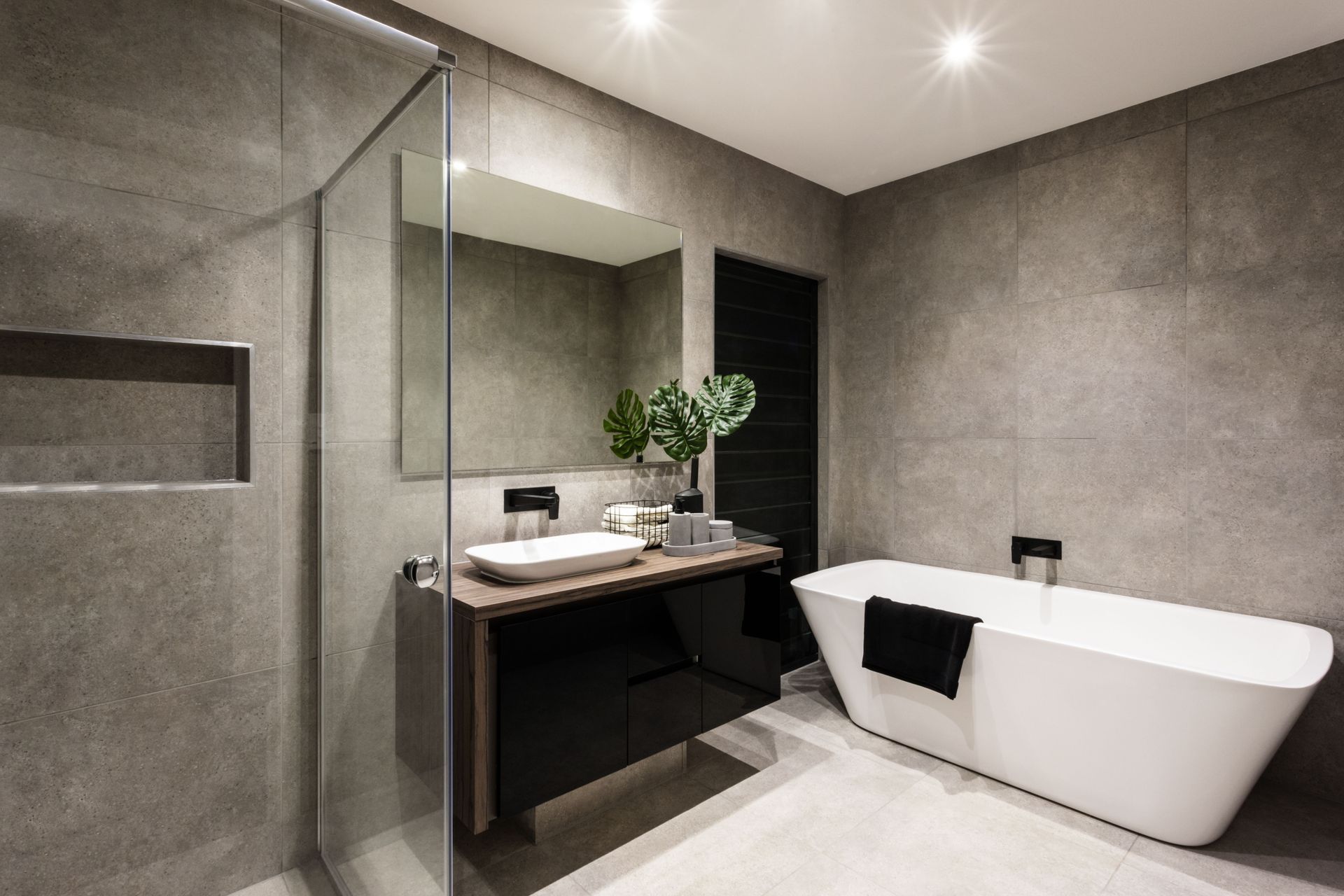
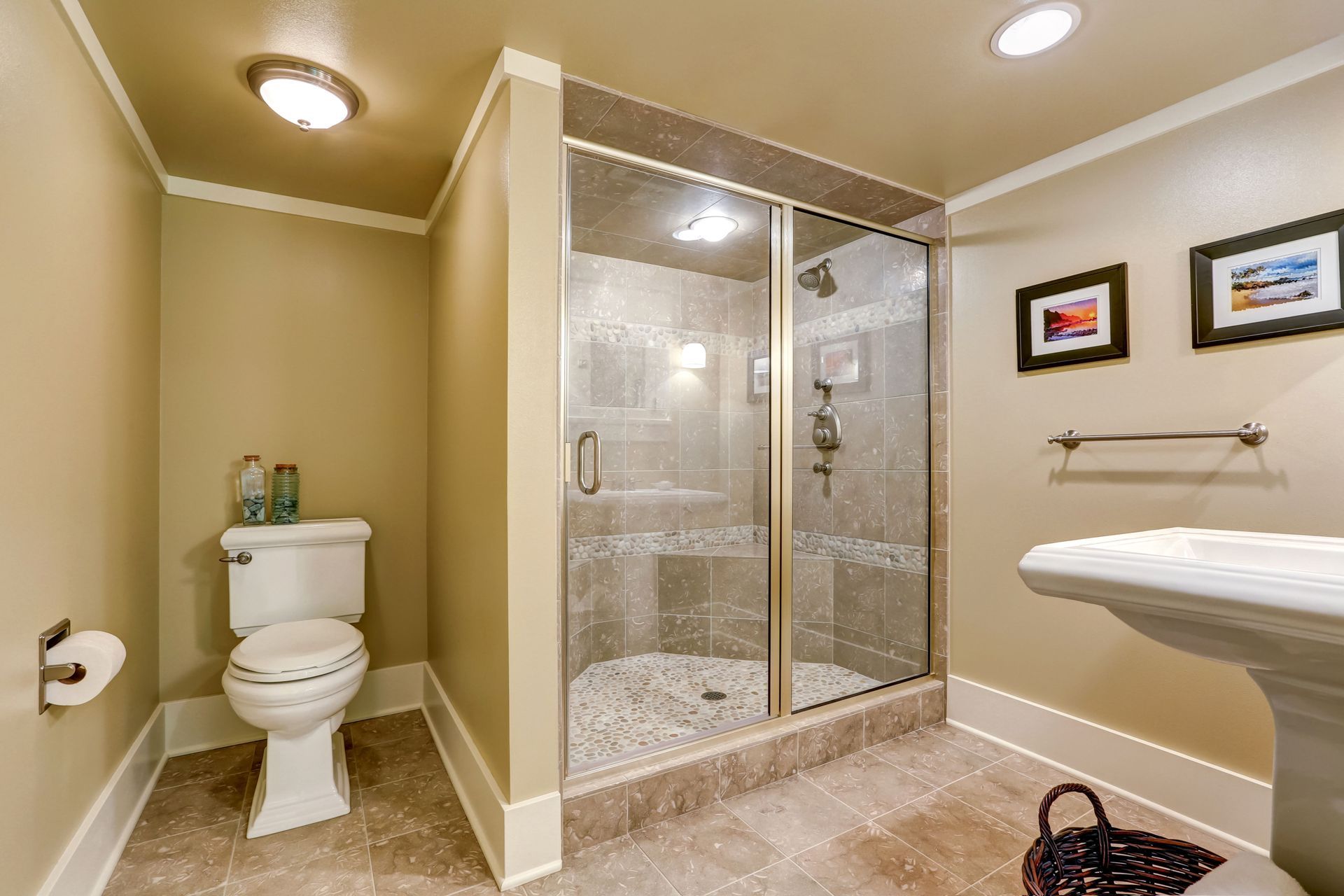
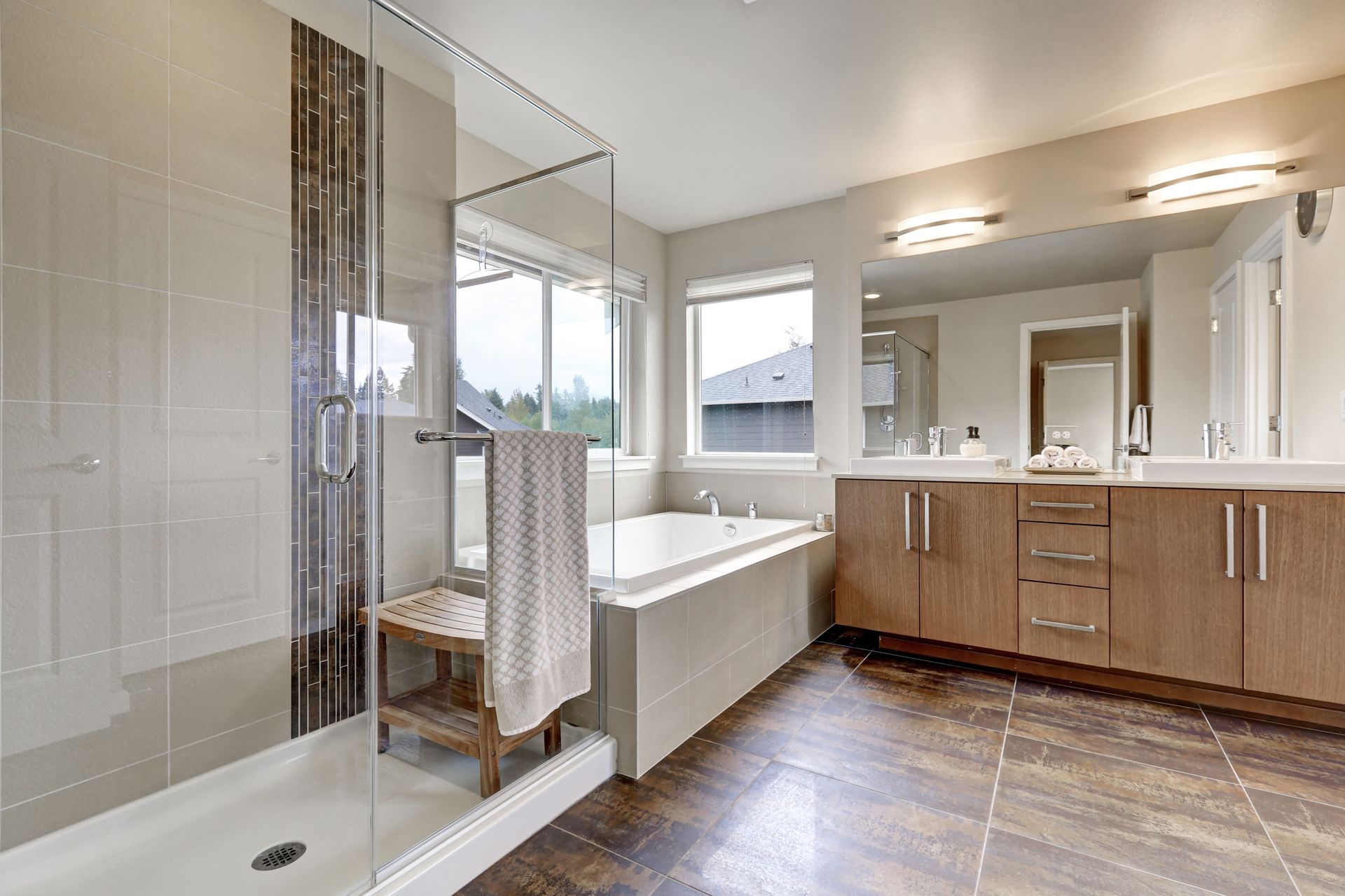
Walk in showers come in multiple configurations, each suited to different needs and layouts. Freestanding showers serve as striking focal points in larger bathrooms, surrounded by glass panels or partial walls that create a sense of luxury. They offer freedom of placement, making them ideal for custom bathroom designs. Built-in showers, on the other hand, blend seamlessly into corners or alcoves, saving space and promoting a clean, integrated look. Many homeowners prefer built-in styles for small or medium-sized bathrooms where every inch counts. The type of walk in shower doors chosen—sliding, pivot, or frameless—can further influence accessibility and visual flow within the space.
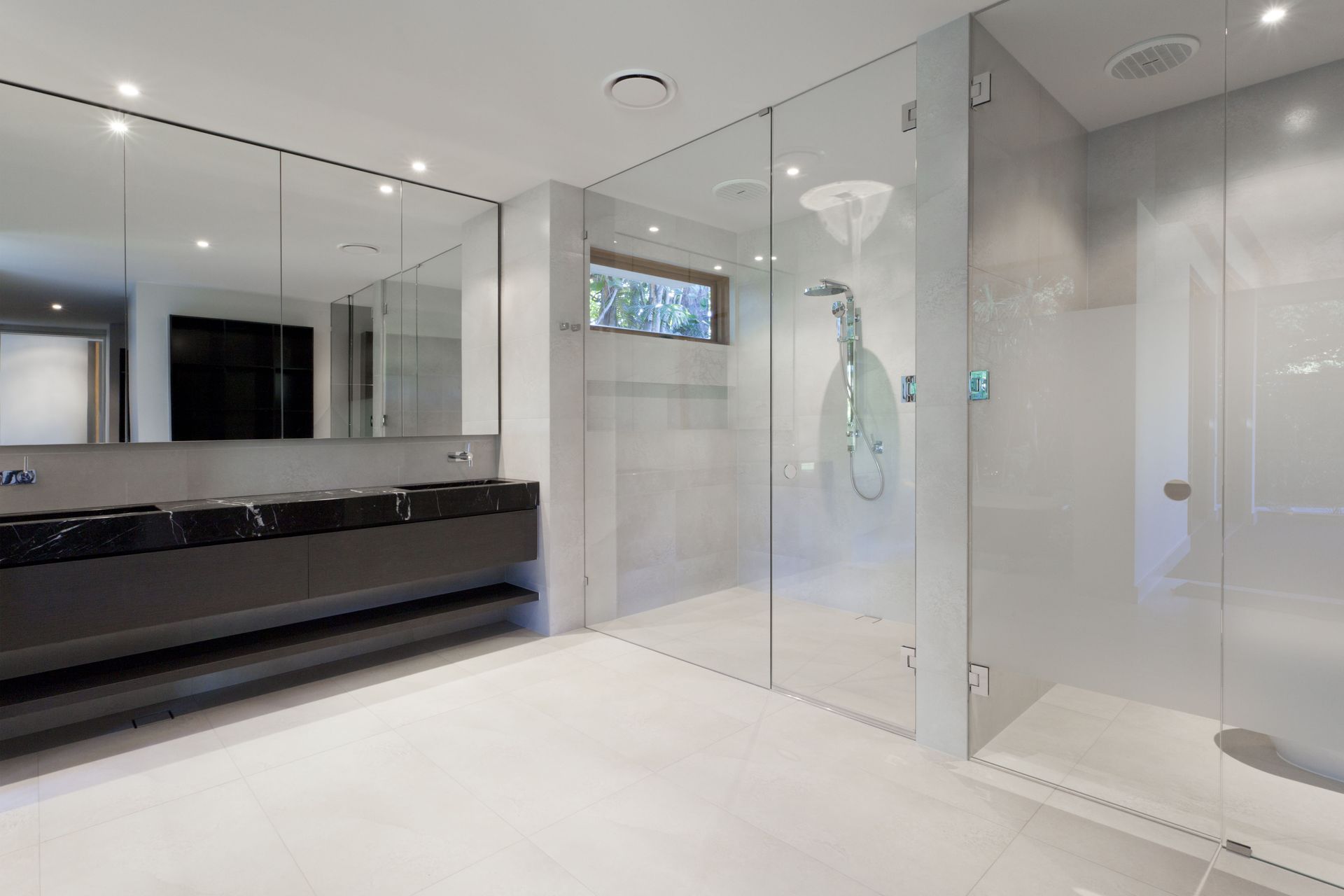
Wet rooms extend the concept of openness even further by removing the enclosure entirely, turning the entire bathroom into a waterproof zone. This layout not only enhances accessibility but also makes cleaning easier. However, it demands precise waterproofing and professional installation to prevent leaks. Barrier-free showers are similar in concept, designed specifically for those with limited mobility. These eliminate curbs altogether, allowing wheelchair access while maintaining modern style. Many homeowners add wide, frameless walk in shower doors for easy entry and a sleek finish. Finally, custom showers combine elements from each of these types and can include luxury additions like rainfall showerheads, multiple jets, benches, and lighting features. The right choice depends on your priorities—whether it’s maximizing space, achieving a minimalist design, or improving accessibility.
2. How Much Space is Required for Installation?
Before any tiles are chosen or fixtures ordered, understanding the spatial requirements of your walk in shower is crucial. Begin by measuring your bathroom accurately, accounting for plumbing locations, electrical outlets, and natural light sources. According to Bob Vila, most walk in showers are at least four feet wide by five feet deep, though high-end installations can easily exceed those dimensions. These measurements provide enough room for comfort and functionality without feeling cramped. Factoring in space for walk in shower doors is also essential—hinged or swinging doors require clearance, while sliding doors work better in tighter areas.
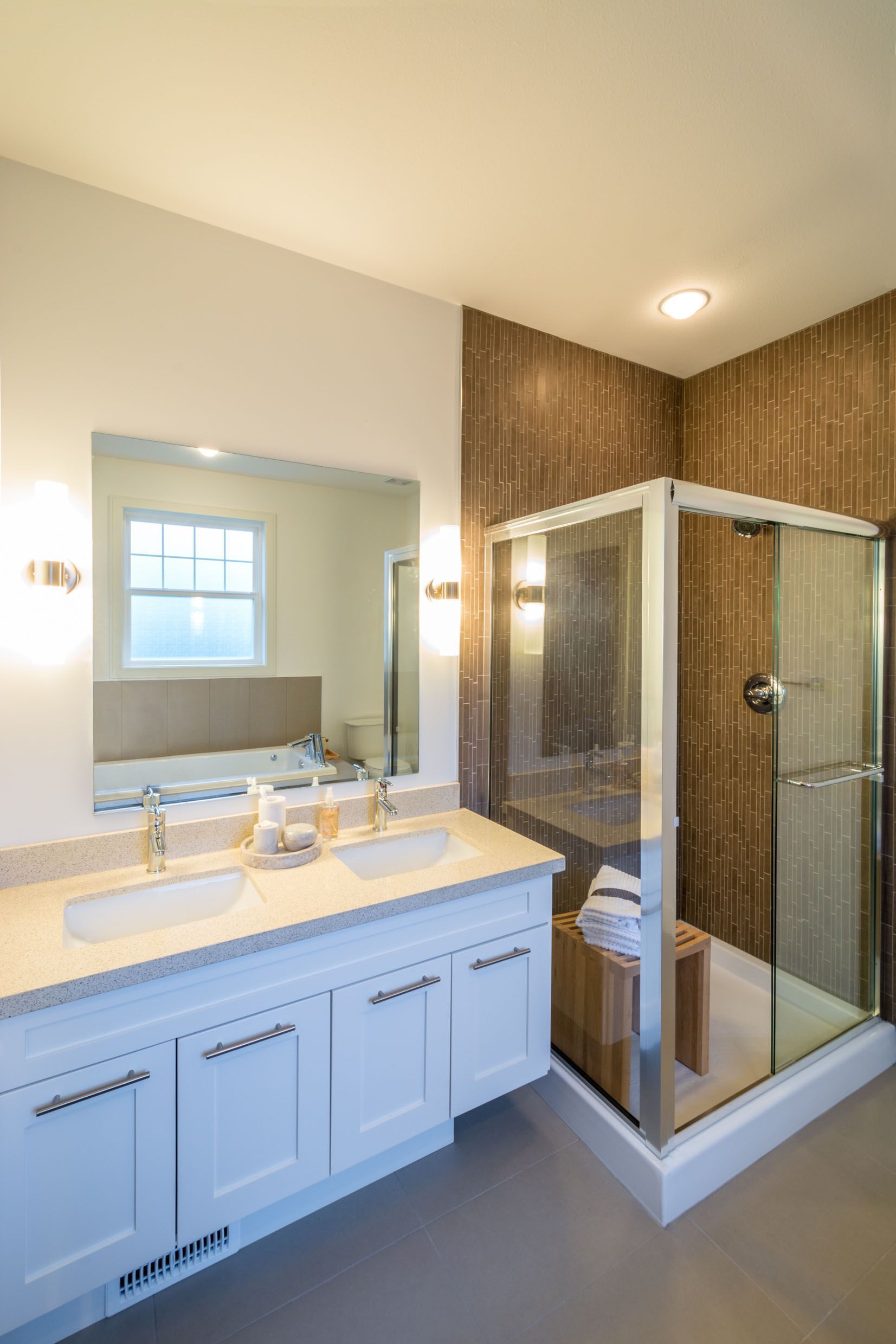
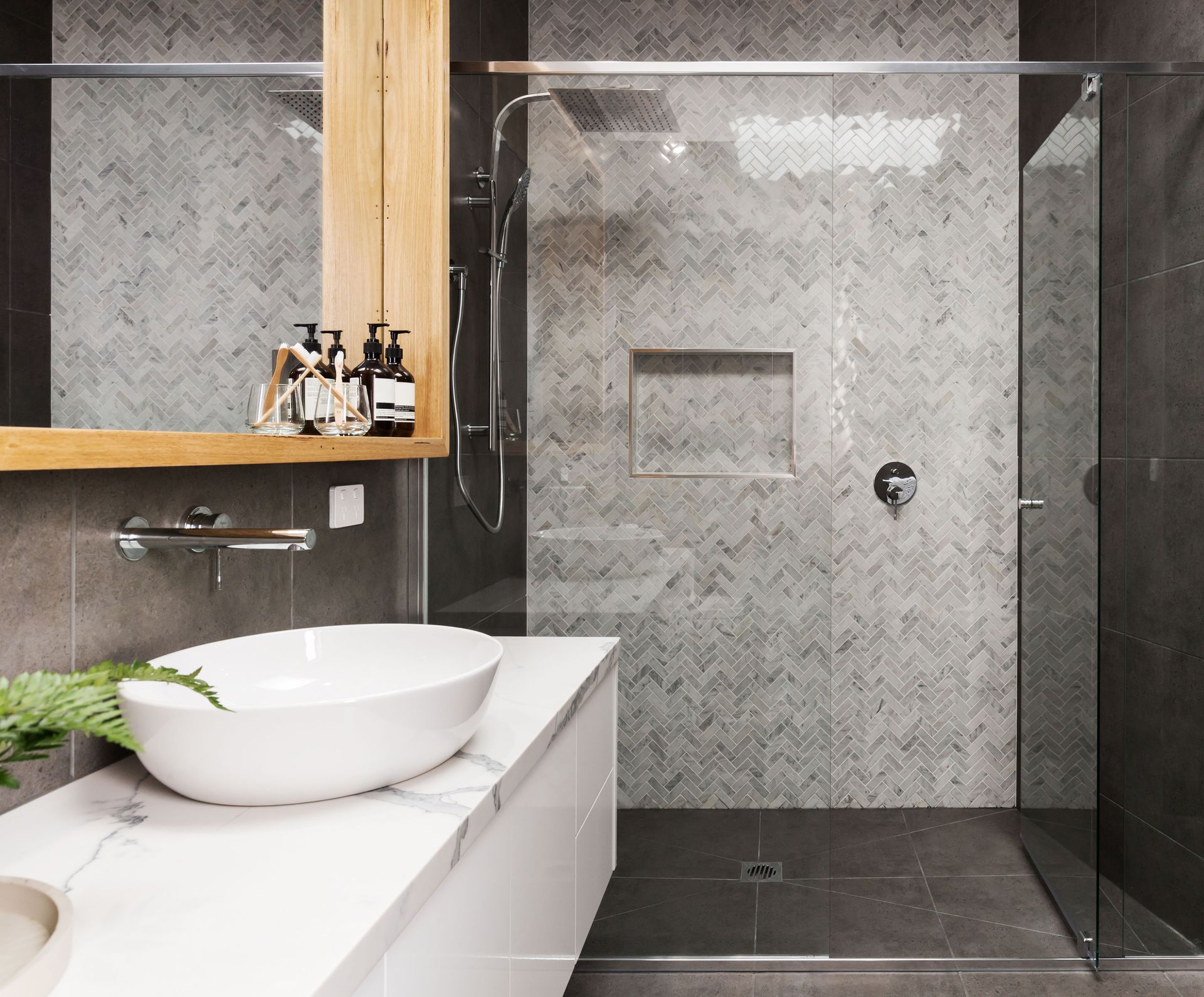
If your bathroom is smaller, consider a corner design or a neo-angle layout, which maximizes usable space. Transparent glass walk in shower doors can visually expand the area, while light-colored tiles reflect light to make the space feel brighter and more open. You can also build recessed niches into the wall for storage rather than relying on bulky shelving. Pay attention to building code requirements as well—many municipalities specify minimum clearances, ventilation needs, and slope angles for drainage. Working with a professional designer or contractor can help you optimize every inch while meeting safety standards. Thoughtful spatial planning ensures your walk in shower enhances, rather than overwhelms, your bathroom’s layout.
3. What Materials and Finishes Should I Consider?
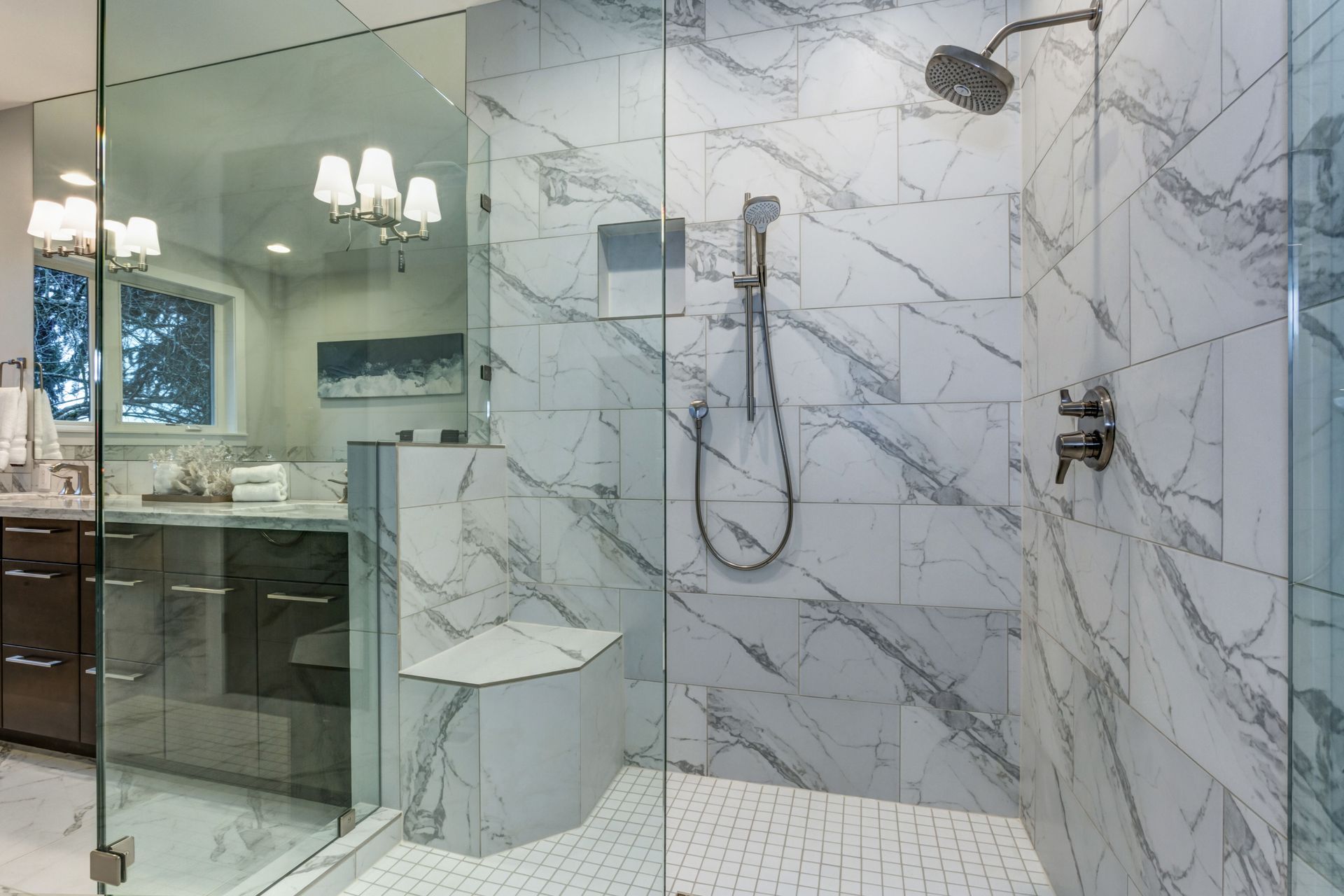
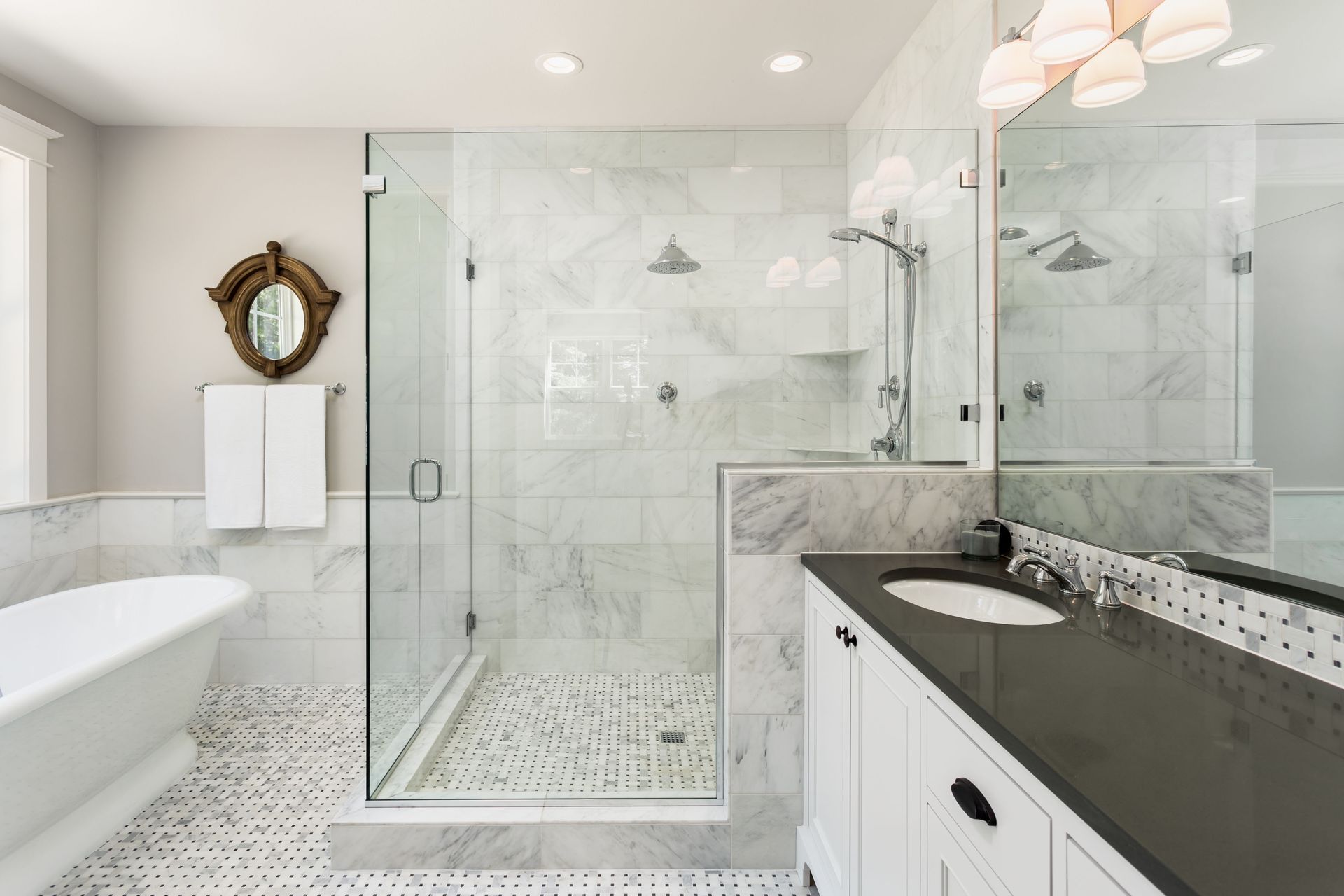
The materials you select for your walk in shower will define its durability, maintenance needs, and overall look. Tiles remain the most popular surface option due to their wide range of textures and price points. Porcelain tiles are dense, moisture-resistant, and ideal for floors and walls that endure heavy use. Ceramic tiles offer a more cost-effective option while still providing variety in design. For homeowners wanting a natural aesthetic, stone tiles like marble or slate bring timeless sophistication but require regular sealing to prevent staining.
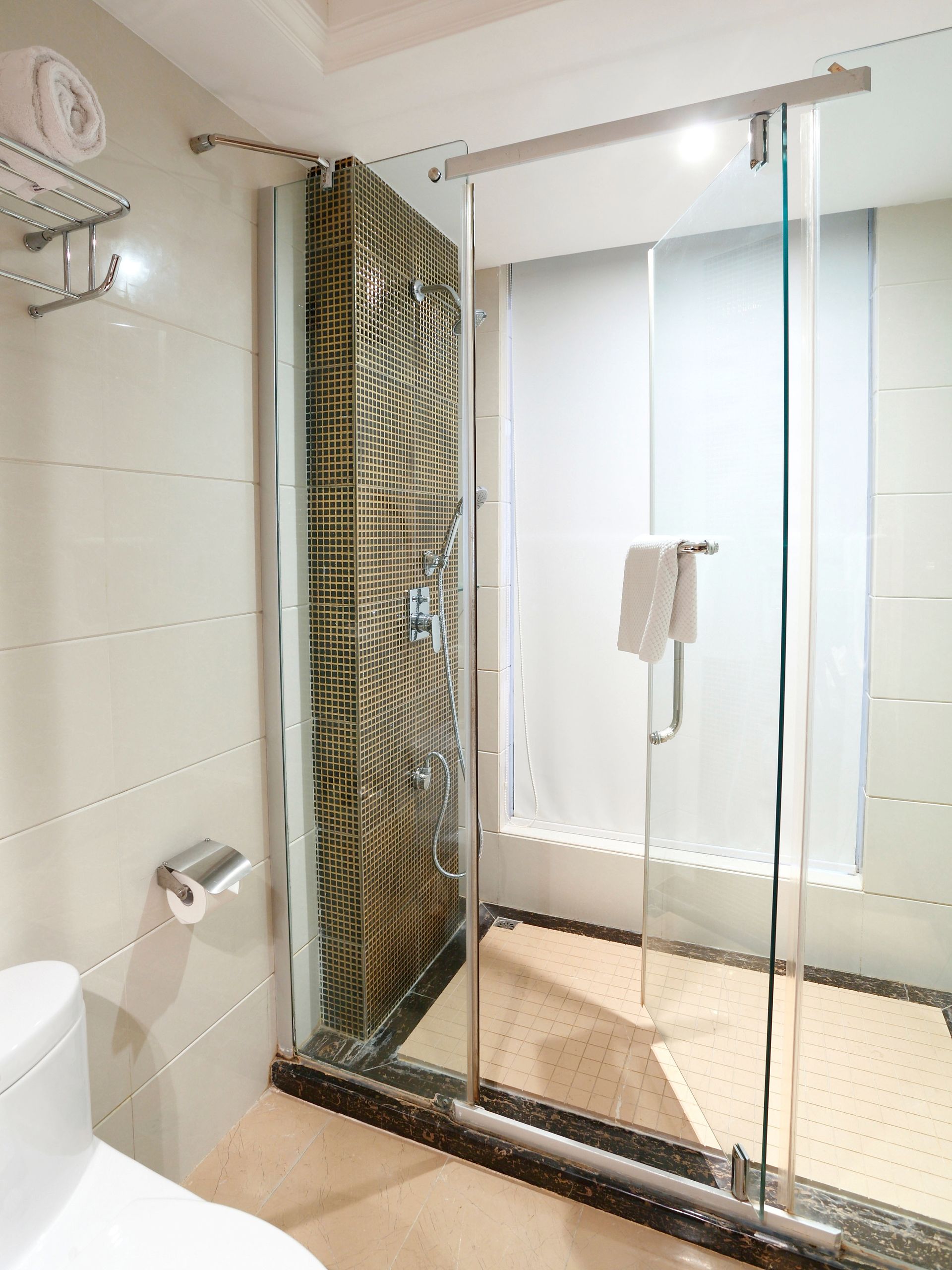
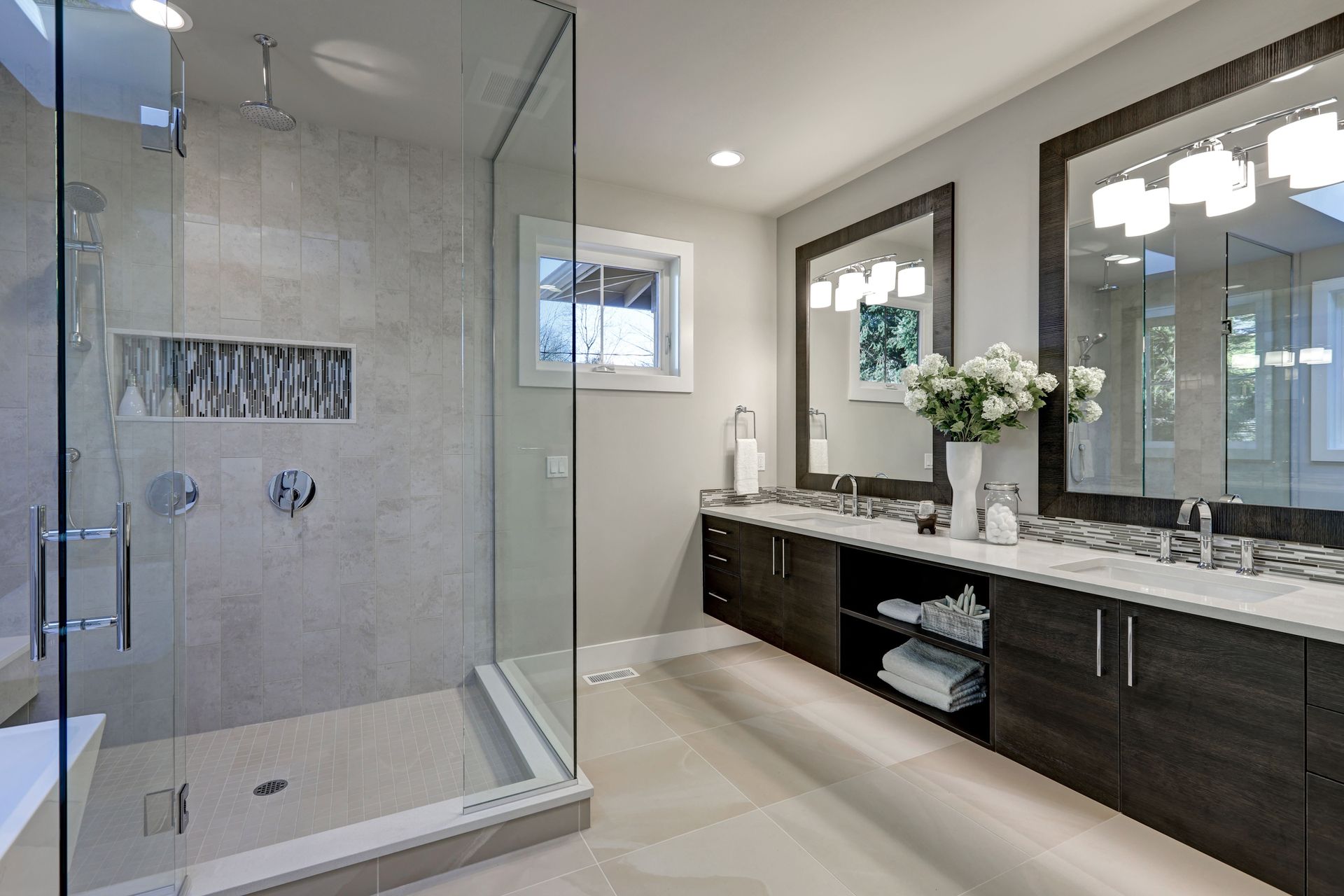
Glass is another defining material. Frameless glass walk in shower doors add a sleek, modern touch that makes the space appear larger, while frosted or textured glass adds privacy without blocking light. Opt for tempered safety glass for durability and safety. The flooring should be chosen with slip resistance in mind; materials like textured porcelain, pebble stone, or vinyl made for wet areas can help prevent falls. Fixtures should also match your design vision—brushed nickel, matte black, and chrome are popular finishes that resist corrosion and complement most interiors. Finally, never overlook waterproofing. A professional-grade membrane beneath the tile surface ensures long-term moisture control, safeguarding your investment and the structural integrity of the shower enclosure and walk in shower doors.
4. What is the Budget for the Project?
Setting a clear and realistic budget is one of the most important aspects of any bathroom renovation. Walk in showers can range from modest upgrades to high-end installations, depending on materials and complexity. Researching average local costs will help establish a baseline. For example, prefabricated shower kits are typically more affordable and quicker to install, while custom designs require additional materials and labor. The type of walk in shower doors you select can also influence costs—frameless designs tend to be pricier due to their custom glass panels, while framed or semi-frameless options are more budget-friendly.
Hidden costs often arise once the project begins, such as plumbing rerouting, waterproofing repairs, or subfloor reinforcement. To avoid financial surprises, allocate an extra 10–20% of your total budget for contingencies. While it may be tempting to cut corners, investing in quality materials and skilled labor pays off long term by minimizing future repairs. Energy-efficient fixtures can also save money over time by reducing water consumption. If you’re unsure where to prioritize spending, focus on waterproofing and core structural elements first, then allocate the remainder toward finishes and luxury features like frameless walk in shower doors or rainfall showerheads. Strategic financial planning keeps your project on track without sacrificing quality or safety.
5. What Are the Maintenance and Cleaning Requirements?
Keeping your walk in shower in pristine condition requires consistent care. Daily maintenance is simple yet effective: use a squeegee or microfiber cloth to remove water from glass and tile surfaces after each use. This prevents soap scum, mineral buildup, and streaks from forming. Walk in shower doors, especially frameless models, benefit greatly from this routine since water spots and residue can quickly dull their transparency. Mild, non-abrasive cleaners are best for preserving finishes, especially if you’ve chosen natural stone or textured tile. For households with hard water, regular use of a vinegar-based solution or a dedicated descaling cleaner can help dissolve stubborn mineral deposits.
Ventilation is essential in preventing mold and mildew. Always run an exhaust fan during and after showers, or open windows to allow moisture to escape. Check grout lines regularly for cracks or discoloration, as these may indicate areas where moisture has penetrated. Reapply sealant annually to keep grout waterproof and protect the surrounding walk in shower doors and frames. Fixtures also require periodic attention—clean showerheads to remove mineral buildup and inspect for leaks around handles and joints. In addition, perform a deep clean every few months using specialized bathroom cleaning agents to refresh surfaces. By incorporating these habits into your cleaning routine, your shower will remain both hygienic and visually stunning for years to come.
Installing a walk in shower is an investment in comfort, safety, and long-term home value. The process involves far more than aesthetics—it requires thoughtful consideration of space, design, materials, budget, and maintenance. Asking the right questions before installation helps you anticipate potential challenges and make confident decisions. From selecting durable tiles to choosing the right walk in shower doors, each decision influences your bathroom’s performance and appeal. Whether you’re designing a luxurious wet room or a compact built-in corner unit, the success of your project depends on planning, professional craftsmanship, and regular care. By following these guidelines and working with qualified professionals, you can create a functional, stylish, and enduring centerpiece for your bathroom that enhances your daily routine and your home’s overall appeal. Properly chosen and maintained walk in shower doors complete the transformation, providing a balance of openness, beauty, and practicality for years to come. Contact Clear Custom Glass today to learn more.
Share On: